What Homeowners Often Get Wrong About Well Water Testing

Introduction
Hi, I’m Jake, owner of Candid Water Solutions.
After working with homeowners across Arizona, I’ve noticed something consistent when it comes to well water testing. Most people either assume it isn’t necessary or believe they already understand their water based on what they can see, smell, or taste.
That’s completely understandable. Water feels familiar and predictable in daily life. But well water behaves differently than most homeowners expect, and assumptions can lead to overlooked issues or unnecessary worry.
This post walks through some of the most common misconceptions I hear about well water testing and clarifies what actually matters when it comes to understanding your water.
Misconception 1: If the Water Looks Clear, It Must Be Fine
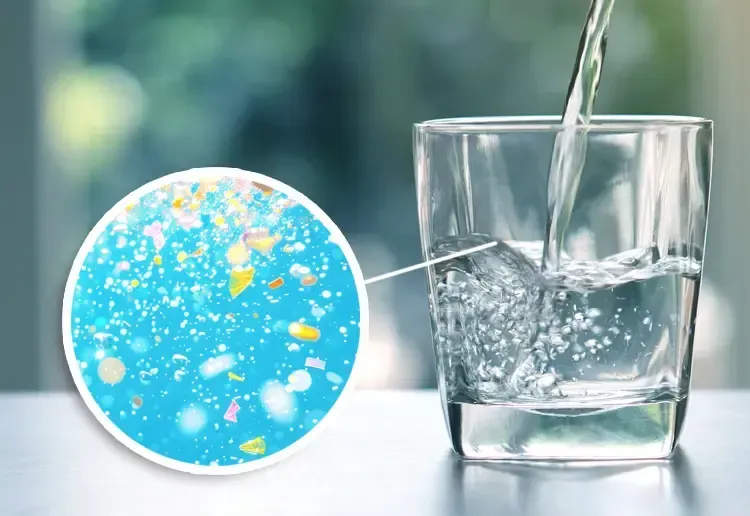
Visual clarity is not an indicator of water composition.
Many minerals and dissolved elements that affect plumbing or appliances are invisible. The same is true for certain bacterial concerns. Water can appear perfectly clear while still containing characteristics that influence performance or maintenance needs.
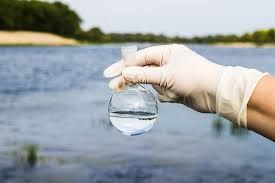
Testing provides measurable insight rather than relying on appearance.
Misconception 2: I Tested It Once, So I’m Covered
Water conditions change.
Seasonal shifts, groundwater movement, rainfall patterns, and nearby environmental factors can alter well water characteristics over time. A test from years ago doesn’t necessarily reflect present conditions.
Periodic testing ensures homeowners are working with current information.
Misconception 3: Testing Automatically Means I’ll Be Sold Equipment
Testing is about data, not assumptions.
Sometimes results indicate that treatment could improve water performance. Other times, testing confirms everything is functioning within normal ranges.
The purpose of testing should always be understanding first. Equipment decisions come later and only when appropriate.
Misconception 4: All Testing Provides the Same Information
There is a difference between basic screening and comprehensive testing.
Professional well testing evaluates multiple factors including:
- Mineral levels
- Hardness
- pH balance
- Dissolved solids
- Potential biological indicators
More thorough testing leads to more accurate recommendations and long-term planning.
Misconception 5: Well Water Problems Show Obvious Signs
Many homeowners expect clear warning signals before issues develop. In reality, changes are often gradual and subtle.
Mineral buildup accumulates over time. Appliance efficiency slowly decreases. Plumbing wear develops quietly.
Testing helps identify trends before they become visible or costly.
Why Understanding Matters More Than Reacting
The goal of well water testing isn’t to create urgency. It’s to replace uncertainty with clarity.
When homeowners understand their water:
- Maintenance becomes predictable
- System decisions feel informed
- Costs are easier to manage long-term
Knowledge shifts water treatment from reactive to proactive.
Local Conditions Matter
Arizona geology plays a significant role in groundwater characteristics. Mineral content, hardness levels, and regional patterns vary widely depending on location.
Local experience helps interpret test results within the context of regional norms rather than generic national benchmarks.
Final Thoughts
Well water testing isn’t about assuming problems exist. It’s about removing guesswork and ensuring homeowners have accurate information about their own water supply.
Understanding leads to calm, confident decisions — whether that means making adjustments or simply confirming things are working well.
If you want to learn more about well water testing or what results actually mean, visit:
https://www.candidh2o.com/
Recent Blog Posts