Understanding Microplastics in Drinking Water and What They Mean for Your Home
Introduction
Hi, I’m Jake, owner of Candid Water Solutions.
Over the past few years, one topic that’s started coming up more often in conversations with homeowners is microplastics in drinking water. People see news stories or online articles and naturally want to know what it actually means for their home.
Like most water topics, there’s a lot of noise out there. Some sources make it sound like an immediate crisis, while others dismiss it completely. The reality sits somewhere in the middle.
This post is about explaining what microplastics are, where they come from, and how homeowners can think about them in a practical, calm, and informed way.
What Microplastics Actually Are
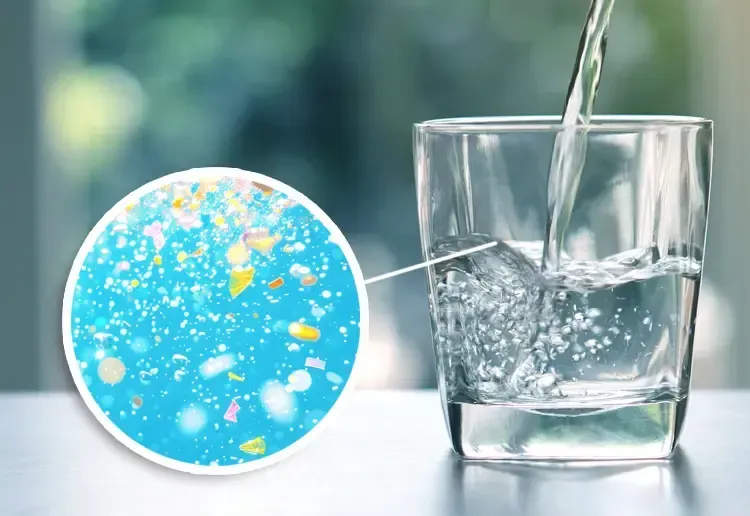
Microplastics are extremely small plastic particles. They can come from a wide range of sources, including:
- Breakdown of larger plastic materials
- Synthetic fabrics shedding fibers
- Packaging materials
- Environmental runoff
Because these particles are so small, they can move through water systems and eventually appear in both municipal and well water sources.
This doesn’t mean every glass of water is full of plastic. It simply means trace levels can exist in the broader water cycle.
Why This Topic Is Getting More Attention
Research tools have improved significantly in recent years. Scientists can now detect much smaller particles than they could before.
As detection improves, awareness naturally increases.
It’s important to understand that awareness does not automatically equal danger. It means researchers are studying the issue more closely and gathering better data.
What This Means for Homeowners
For most homeowners, microplastics are not something you can see, smell, or taste. They’re part of a broader conversation about drinking water quality and filtration technology.
The key takeaway is not panic. It’s understanding that filtration systems are designed to address particulate matter at very small levels.
Modern filtration approaches, when properly configured, are already built to reduce a wide range of physical particles from drinking water.
Where Filtration Comes Into the Conversation
Different filtration methods address different water characteristics.
For drinking water specifically, systems that include fine membrane filtration are designed to reduce extremely small particles. These systems work by physically separating contaminants from the water stream.
The important part is not assuming every home needs the same setup. Water decisions should always start with understanding your specific water conditions first.
Education always comes before equipment.
Why Calm Information Matters More Than Fear
Water quality topics tend to attract strong headlines. But homeowners benefit more from measured, practical explanations than from urgency-driven messaging.
Microplastics are part of ongoing scientific research. The right approach is awareness combined with thoughtful evaluation of your own water setup.
Good decisions come from understanding, not from reacting to headlines.
What Homeowners Should Focus On First
Before worrying about emerging topics, homeowners should always focus on the fundamentals:
- Understanding their water source
- Knowing mineral levels
- Confirming system performance
- Maintaining equipment properly
Once those basics are handled, filtration decisions become much simpler and more effective.
Final Thoughts
Microplastics are a topic worth understanding, but not one that should create unnecessary stress.
Water treatment should always feel calm, clear, and based on real information about your specific home.
If you’d like to learn more about drinking water filtration or understanding your home’s water setup, you can visit:
Recent Blog Posts